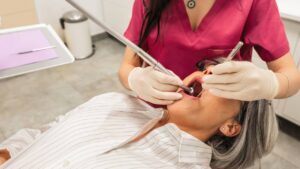
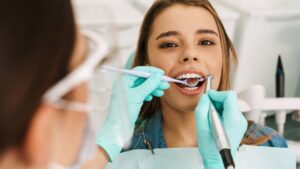
Dental trauma rarely happens on a convenient schedule. A fall on the driveway, a collision on the field, or a sudden cracked tooth at dinner can leave you in intense pain and unsure of what to do next. In these moments, a skilled dental trauma care dentist becomes essential to protecting your teeth, your comfort, and your long-term oral health.
When you know how a dental trauma care dentist responds in a crisis, you are better prepared to act quickly, get out of pain, and save damaged teeth whenever possible.
Understanding dental trauma and why speed matters
Dental trauma includes any sudden injury to your teeth, gums, jawbone, or the soft tissues of your mouth. It can range from a minor chip to a completely knocked-out tooth, and it affects both children and adults in everyday situations and during sports.
According to Cleveland Clinic, dental trauma is commonly caused by falls, car accidents, and sports injuries, and early treatment by a dentist gives you the best chance for full recovery [1]. Even if you are not in severe pain, prompt evaluation is important to prevent hidden problems like infection, cavities around damaged teeth, or nerve issues that appear later.
Dental injuries are also the most common type of mouth and face injury during sports, which is why Rhode Island’s oral health program emphasizes both prevention and quick response for athletes of all ages [2].
When trauma happens, your first call should be to a dental trauma care dentist or a dedicated dental emergency clinic myrtle beach that can see you the same day.
When you need a dental trauma care dentist immediately
You should contact a dental trauma care dentist or seek 24/7 emergency dental care right away if you experience any of the following:
- A knocked-out (avulsed) permanent tooth
- A tooth that is loose, pushed out of position, or driven into the socket
- A tooth fracture with visible pink or red tissue in the center (pulp exposure)
- Uncontrolled bleeding in your mouth
- Severe toothache that does not improve with over the counter pain medication
- A suspected broken jaw or facial bone
- Deep cuts to your lips, cheeks, gums, or tongue
Cleveland Clinic notes that immediate dental or emergency room care is critical for serious injuries like knocked-out teeth or broken jaws, especially if you have severe pain, broken facial bones, or bleeding that will not stop [1].
If you are unsure how serious your injury is, it is safer to treat it as an emergency and call for an urgent dental appointment same day so a dentist can evaluate the damage before complications develop.
The dentist’s role in a dental crisis
A dental trauma care dentist focuses on stabilizing your condition, relieving pain, and protecting your teeth and surrounding tissues from further harm. Their role in a crisis is both immediate and long term.
Rapid assessment and diagnosis
The first step is a thorough examination. This usually includes:
- Visual inspection of teeth, gums, and soft tissues
- Mobility testing to see if teeth are loosened or displaced
- X rays to check for root fractures, jaw fractures, or hidden damage
- Evaluation of your bite to identify changes after impact
The American Association of Endodontists stresses that all traumatic dental injuries should be examined quickly, regardless of how minor they seem, because neighboring teeth can also be injured without obvious signs [3].
If you come to a walk in emergency dentist or emergency dentist myrtle beach, this evaluation starts as soon as you arrive so treatment can begin quickly.
Immediate pain control and stabilization
Once your dentist understands the injury, the next step is to get you as comfortable as possible. This might involve:
- Local anesthesia to numb the area
- Medication for swelling and pain relief
- Temporary splints to stabilize loose or displaced teeth
- Soft tissue repair such as suturing torn gums or lips
If you are dealing with intense pain from a deep cavity or damaged nerve, you may be directed to a provider focused on toothache relief dentist services or pain relief for toothache sc so you can rest while a treatment plan is built around saving your tooth.
Protecting and saving injured teeth
Whenever possible, a dental trauma care dentist will prioritize saving your natural teeth. Endodontists, who are dentists with advanced training in trauma and root canal treatments, specialize in this type of care and often provide flexible emergency access, including weekends, to stabilize injured teeth and manage pain quickly [3].
You may be referred for specialized care like an emergency root canal sc if the inner pulp of a tooth is damaged or infected after trauma.
Common types of dental injuries and how they are treated
Different dental injuries require different responses. Understanding what your dental trauma care dentist may recommend can make the situation feel more manageable.
Chipped, cracked, or fractured teeth
A fracture can affect only the enamel, or extend into the dentin and pulp. Your dentist’s approach will depend on depth and location:
- Minor chips may be smoothed and restored with dental bonding or a small filling
- Moderate fractures might require a larger filling or a crown
- Deep fractures that reach the pulp may need root canal therapy, followed by a crown, to save the tooth
Cleveland Clinic explains that treatments for dental trauma include fillings and bonding for minor chips and root canal therapy for cracks that reach the pulp, along with crowns or other restorations to protect the tooth afterward [1].
For urgent damage to front teeth, you might seek chipped tooth repair urgent or broken tooth emergency repair so the tooth’s appearance and strength are restored as quickly as possible.
Loose or displaced teeth (luxation injuries)
If a tooth is loosened, pushed sideways, or driven deeper into the socket, it often can be repositioned and stabilized. Your dental trauma care dentist may:
- Gently move the tooth back into its normal position
- Place a flexible splint attaching the tooth to neighboring teeth
- Schedule follow up visits to monitor healing and vitality
The American Association of Endodontists notes that permanent teeth that are dislodged (luxated) often require root canal treatment several days after the injury, particularly if the pulp has been damaged, to prevent infection and preserve the tooth [3].
Knocked out teeth (avulsion)
A completely avulsed permanent tooth is one of the most time sensitive dental emergencies. You need immediate help from a dental trauma care dentist or an emergency provider who can attempt reimplantation.
The American Association of Endodontists emphasizes that if a permanent tooth is knocked out, care within 30 minutes gives you the best chance to save it. The tooth should be carefully handled by the crown, not the root, gently rinsed if dirty, and then either placed back into the socket or stored in milk or a specialized tooth preservation solution until you reach the dentist [3].
Emergency medicine guidance also advises that reimplantation should not be attempted for baby teeth because it can interfere with permanent tooth eruption [4].
If reimplantation is possible, your dentist will:
- Rinse and carefully reposition the tooth
- Stabilize it with a splint
- Plan root canal treatment, depending on your age and root development
Children with immature permanent teeth may sometimes heal without root canal treatment because stem cells in the pulp can support continued root growth, which is why specialized endodontic monitoring is so important after trauma [3].
If the tooth cannot be saved, your dentist will explain replacement options and may perform a tooth extraction emergency to prevent infection and pain.
Soft tissue injuries
Cuts and tears to your lips, cheeks, tongue, or gums are often very visible and may bleed heavily. A dental trauma care dentist can:
- Clean the area thoroughly to reduce infection risk
- Remove debris such as tooth fragments or foreign objects
- Place sutures where needed
- Check nearby teeth for chips, fractures, or looseness
Rhode Island’s oral injury prevention resources recommend that any orofacial pain or injury be evaluated by a dentist as soon as possible in order to ensure proper healing and recovery [2].
If your injury happens when your usual office is closed, an after hours dentist sc or dental emergency open now can help you get prompt care.
Existing dental work damaged in trauma
Crowns, fillings, and restorations can be cracked or knocked loose during an accident. A lost filling repair dentist or emergency provider can:
- Replace or repair damaged fillings
- Re cement loose crowns, if possible
- Provide temporary crowns or restorations until a permanent solution can be placed
Fixing damaged dental work quickly protects the underlying tooth from decay, sensitivity, and further breakage.
How emergency dental treatment helps you heal
Beyond immediate pain relief, dental trauma care is designed to set you up for a full and predictable recovery.
Preventing infection and long term complications
Unresolved dental injuries increase your risk of:
- Tooth infections and abscesses
- Cavities where enamel is broken
- Pulp death and darkening of the tooth
- Bite changes that strain your jaw joints
- Chronic pain or difficulty chewing
Cleveland Clinic highlights that patients should seek prompt evaluation and treatment after dental trauma to avoid serious complications like cavities and infections, even when they are not in pain right away [1].
If the nerve has been compromised, timely treatment such as an emergency root canal sc can remove infected tissue, relieve pain, and save the tooth.
Supporting proper healing timelines
Healing from dental trauma varies with the severity and type of injury. Cleveland Clinic reports that minor soft tissue injuries may heal in less than a week, typical tooth trauma often requires four to six weeks, and more complex injuries involving the pulp can take several months for full recovery [1].
Your dental trauma care dentist will schedule follow up visits to monitor:
- Tooth vitality and color
- Gum health and bone levels
- Stability of splints or temporary restorations
- Signs of delayed complications
This long term monitoring is especially important for children and teens, whose developing teeth and jaws can respond differently to trauma compared to adults.
What to do before you reach the dentist
Knowing simple first aid steps for dental injuries can make a meaningful difference in outcomes. Rhode Island’s oral injury guidelines recommend learning basic first aid for common dental injuries so you can respond immediately while arranging professional care [2].
Here are key steps you can take on the way to a dental emergency clinic myrtle beach or urgent dental clinic myrtle beach:
- For a knocked out permanent tooth:
Handle it by the crown, gently rinse if dirty, and try to place it back into the socket. If that is not possible, store it in milk or a tooth preservation kit and get to a dentist immediately. - For a cracked or broken tooth:
Rinse your mouth with warm water, save any broken pieces, and avoid chewing on that side. - For bleeding:
Apply gentle pressure with gauze or a clean cloth. If bleeding does not slow after several minutes, seek urgent help. - For pain and swelling:
Use a cold compress on the outside of your cheek and consider over the counter pain relievers, unless a medical provider has advised against them.
If you are unsure where to go, services such as urgent dental care surfside and urgent dental care near surfside can connect you with same day help. If you need help right away at night or on weekends, look for an emergency dental services sc provider that offers 24/7 emergency dental care.
Prevention and protection for the future
While not every accident can be prevented, you can lower your risk of dental trauma and reduce the need for emergency treatment in the future.
Rhode Island’s oral injury prevention guidance emphasizes protecting infants and children from head, face, and mouth injuries in the home, car, playground, and sports field to reduce the need for emergency dental trauma care [2].
Greenway Pediatric Dentistry also notes that children are particularly vulnerable to dental trauma, and that working with a reliable pediatric dentist is important for both prevention and treatment [5].
Practical steps include:
- Using age appropriate car seats and seat belts
- Childproofing sharp corners and slippery surfaces at home
- Ensuring children wear helmets and mouthguards for sports
- Keeping up with routine dental visits so teeth and gums are as healthy and strong as possible
For adults, avoiding chewing hard objects like ice, using a nightguard if you grind your teeth, and wearing a sports mouthguard can significantly lower your risk of fractures and tooth loss.
How Tidelands Dental supports you in a crisis
In a true emergency, you do not have time to compare multiple offices or wait days for an opening. You need fast access to skilled care from a dental trauma care dentist who understands both urgent intervention and long term recovery.
At Tidelands Dental, you have access to:
- Same day and urgent dental appointment same day options when you experience sudden pain or injury
- Walk in emergency dentist availability when you cannot wait for a scheduled visit
- Services tailored to immediate issues like broken tooth emergency repair, tooth extraction emergency, and toothache relief dentist care
- Coordination with emergency dental services sc resources so you receive appropriate follow up and restorative treatment
If you or your child has just experienced dental trauma, your next step should not be guessing. Contact a trusted dental trauma care dentist or reach out to a local provider such as emergency dentist myrtle beach or dental emergency open now. With prompt, skilled care, you give yourself the best chance to relieve pain quickly, save injured teeth, and protect your oral health for years to come.