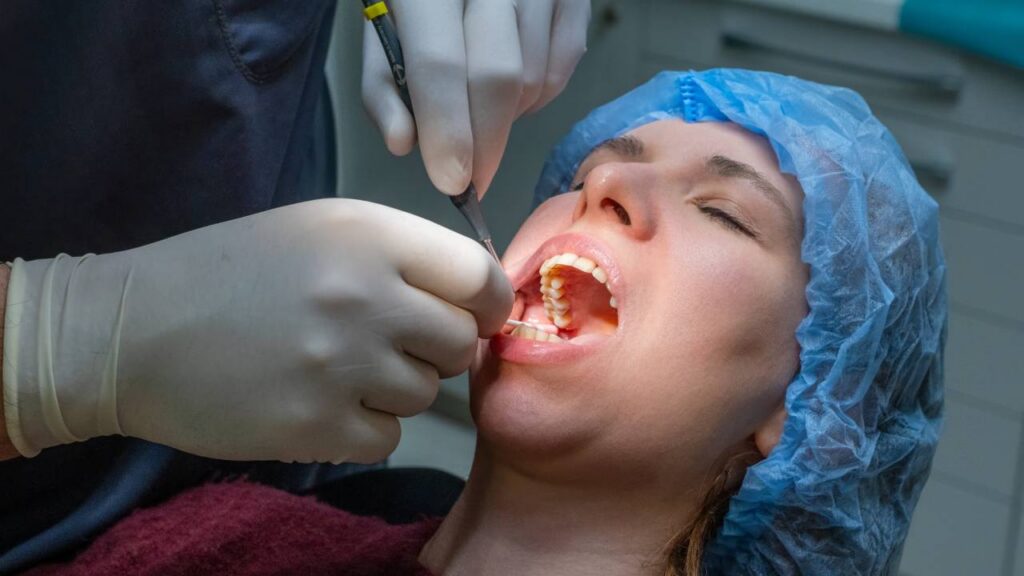
Understanding a tooth extraction emergency
When you are in severe dental pain, it can be hard to know if you are facing a true tooth extraction emergency or if the problem can wait for a routine visit. A tooth extraction emergency happens when a tooth is so damaged or infected that it must be removed quickly to stop pain, protect your health, and prevent the problem from spreading. In these situations, you should seek immediate care rather than hoping the pain will pass on its own.
Knowing what to look for helps you make confident decisions when every minute feels stressful. It also helps you recognize when an alternative, such as an emergency root canal sc, might still save the tooth. At Tidelands Dental, you have access to 24/7 emergency dental care and same-day help if you suspect you need an urgent extraction.
Signs you may need emergency extraction
Not every toothache requires a tooth extraction emergency. However, certain red flag symptoms suggest that the tooth may be beyond saving and that delaying treatment could be dangerous.
Severe, unrelenting tooth pain
Persistent, sharp, or throbbing tooth pain that does not ease with over-the-counter pain relievers or home remedies is one of the clearest signs that you may need emergency care. When pain becomes constant, wakes you from sleep, or makes it hard to eat or function, it often points to an advanced infection or deep structural damage to the tooth [1].
This type of pain usually will not get better on its own. If you are reaching for medication around the clock, or still cannot find relief, it is time to contact a toothache relief dentist or dental emergency clinic myrtle beach right away.
Swelling, abscess, and signs of infection
Swelling of your gums, jaw, or face, especially if it spreads or worsens quickly, often signals an abscess or serious infection near the root of a tooth. When that swelling is accompanied by difficulty breathing or swallowing, fever, or a bad taste in your mouth, you are dealing with a true emergency that requires immediate dental and possibly medical attention [1].
Infections that do not respond to antibiotics or that keep returning in the same area may indicate that the tooth itself is the source of the problem. In these cases, an emergency tooth extraction may be the safest way to remove the infection and prevent life-threatening complications such as sepsis [2].
Loose, fractured, or badly broken teeth
A loose or shifted adult tooth without an obvious cause, such as recent orthodontic work, can signal advanced periodontal disease, bone loss, or trauma beneath the gums. When this instability is combined with pain or jaw discomfort, it may require urgent extraction to prevent further misalignment and damage to neighboring teeth [1].
Fractures are another common reason for a tooth extraction emergency. A tooth that is broken beneath the gum line or cracked vertically often cannot be restored, especially if chewing forces, prior large fillings, or earlier root canals have weakened it. In many of these situations, prompt extraction is the safest and most predictable way to relieve pain and protect the surrounding bone and gums [3].
If you have a sudden chip, crack, or break, an emergency visit is still crucial even if you are not sure the tooth must be removed. Many injuries can be saved with broken tooth emergency repair or chipped tooth repair urgent, so it is important to have an emergency dentist evaluate the damage quickly.
Wisdom tooth and impaction problems
Wisdom teeth are one of the most frequent reasons for emergency extractions. When these third molars do not have enough space to fully erupt, they can become impacted under the gums, press against other teeth, and create a pocket where bacteria thrive. The result is swelling, infection, pain when biting, and sometimes difficulty opening your mouth or swallowing [4].
If you are in your late teens or twenties and notice increasing pain behind your molars, especially with swelling or bad breath, you may be dealing with impacted wisdom teeth. Emergency dentists advise contacting an office promptly in these cases, as delayed treatment can cause crowding, cysts, or repeated infections [5].
Conditions that often require urgent removal
You may wonder why some teeth can be saved with a filling or root canal, while others must be removed urgently. The underlying condition and how far it has progressed usually decide whether extraction is your safest option.
Severe tooth decay and pulp damage
When decay has eaten away so much tooth structure that there is not enough healthy material left for a filling or crown, or when infection has destroyed the pulp to the point of necrosis, the tooth may be beyond repair. In these cases, extraction removes the source of pain and infection and protects the surrounding teeth and bone from further damage [6].
Sometimes, antibiotics or root canal treatment can still save a badly decayed tooth. However, if the infection continues despite treatment, or if the tooth fractures because it is too fragile, emergency extraction becomes the most reliable solution [7].
Advanced gum disease and bone loss
Periodontitis, a serious gum disease, affects nearly half of adults over 30 and can gradually destroy the bone and ligaments that hold your teeth in place. As the disease progresses, gums recede, teeth loosen, and biting can become painful. When the supporting bone is badly damaged, extracting the affected tooth or teeth may be necessary to control the infection and begin rebuilding oral health [3].
If you notice loose teeth, gum bleeding, or shifting in your bite, reach out to an emergency dental services sc provider before the situation worsens. Early intervention may allow you to keep more of your natural teeth.
Trauma, accidents, and sports injuries
Falls, car accidents, and sports injuries can cause cracked, displaced, or shattered teeth. In some cases, a dental trauma care dentist can reposition and stabilize the tooth or repair it with bonding, crowns, or root canal therapy. However, if the fracture runs under the gum line or splits the tooth vertically, emergency extraction is often the only dependable way to relieve pain and prevent infection [3].
If a tooth has been knocked out, you should still treat it as a time sensitive emergency. Place the tooth in milk or saliva and head directly to a walk in emergency dentist or dental emergency open now location. In some cases, a tooth that looks hopeless at first can be replanted if you act quickly.
Why you should not delay a tooth extraction emergency
When pain fades temporarily or you are busy, it can be tempting to put off an emergency visit. However, waiting with a suspected tooth extraction emergency often leads to more complex treatment, higher costs, and serious health risks.
Untreated infection in a tooth can spread to surrounding gums, neighboring teeth, and the jawbone. Bacteria can also move into the bloodstream and cause systemic problems such as sepsis, a life-threatening condition that requires hospital care [8].
Delaying extraction can also:
- Increase bone loss around the tooth
- Make future dental implants or bridges more complicated
- Allow damage to spread to other teeth
- Prolong severe pain and reduce your quality of life
Immediate extraction, when necessary, helps stop debilitating pain, protects your other teeth, and reduces the risk that oral bacteria will affect your heart or other organs [8]. If you are uncertain, it is far safer to schedule an urgent dental appointment same day and let a dentist guide you than to hope the problem resolves on its own.
What happens during an emergency extraction visit
Knowing what to expect can make a tooth extraction emergency feel less overwhelming. While every situation is unique, most emergency visits follow a similar pattern focused on rapid relief and clear communication.
Evaluation and diagnosis
Your emergency dentist will begin with a focused examination and a discussion of your symptoms. They may ask when the pain started, how it has changed, and what makes it better or worse. X-rays are typically taken to evaluate the roots, surrounding bone, and any hidden fractures or infections.
If there is a chance to save the tooth with a root canal, crown, or other treatment, your dentist will explain those options. If the tooth cannot be saved or if an infection has reached an acute stage, the dentist will recommend emergency extraction and outline the risks and benefits [7].
Anesthesia and comfort
Most emergency extractions are performed under local anesthesia, which numbs the tooth and surrounding area so you do not feel pain during the procedure. Depending on your anxiety level and the complexity of the case, your dentist may also offer additional comfort options.
Once you are numb, the dentist will gently loosen the tooth from its socket using precise instruments. Simple extractions remove teeth that are fully visible above the gum line. Surgical extractions are used for teeth that are broken at the gum line, impacted wisdom teeth, or teeth surrounded by bone. In surgical cases, the dentist may open the gum and, at times, divide the tooth into smaller pieces for easier removal [9].
Immediate aftercare instructions
After the tooth is removed, gauze is placed over the socket to help a blood clot form. This clot is essential for proper healing. Your dentist will give you detailed instructions on how to care for the area, what to expect in terms of pain and swelling, and which activities or foods to avoid in the first 24 to 72 hours.
You will also receive guidance on follow-up visits and on options to replace the missing tooth once healing is complete. At this stage, you can ask any questions about returning to work, exercise, or daily routines so that you feel confident leaving the office.
Managing pain and healing after emergency extraction
Some soreness after a tooth extraction emergency is normal. However, with the right home care, you can usually keep discomfort manageable and promote smooth healing.
According to Crestwood Dental, effective pain relief starts with appropriate medication. For most patients, over-the-counter pain relievers are a first line option, although your dentist may prescribe stronger medication in some cases [10].
Applying a cold compress to the outside of your face near the treatment area is one of the fastest ways to reduce swelling and numb discomfort. Use it in short intervals during the first day as recommended by your dentist [10].
For the first 24 hours, you should avoid rinsing vigorously, using a straw, or smoking, because these actions can dislodge the clot and lead to a painful condition known as dry socket. In fact, Crestwood Dental specifically advises against saltwater rinsing during that initial 24 hour period to help protect the clot [10].
Staying hydrated and choosing soft, cool foods such as yogurt, smoothies, or scrambled eggs will help keep you comfortable and support healing. Chew on the opposite side of your mouth and avoid hard, crunchy, or very hot foods until your dentist says it is safe to resume a normal diet [10].
If pain suddenly worsens after a period of improvement, or if you notice a foul odor, increasing swelling, or fever, contact your dentist right away. Follow-up appointments are not optional. Regular rechecks are critical to monitor healing and prevent complications such as dry socket or lingering infection [7].
When extraction is not the only answer
Although this article focuses on tooth extraction emergencies, it is important to remember that not all dental crises end in removal. Many urgent problems can be resolved with conservative treatment when you seek help early.
If you have intense tooth pain but the tooth structure is mostly intact, an emergency root canal sc may clear the infection and allow you to keep the tooth. A broken or chipped tooth may be restorable with broken tooth emergency repair, chipped tooth repair urgent, or a crown. Even a lost filling can often be addressed quickly and comfortably by a lost filling repair dentist without the need for extraction.
The key is prompt evaluation at a trusted urgent dental clinic myrtle beach or emergency dentist myrtle beach. The sooner you are seen, the more options you are likely to have.
Getting urgent help at Tidelands Dental
In a true tooth extraction emergency, you do not have time to search endlessly for help. You need a team that is ready to respond, day or night, with the skills and technology to relieve pain fast and protect your long term oral health.
At Tidelands Dental, you can:
- Access 24/7 emergency dental care for sudden pain, trauma, or infection
- Call for an urgent dental appointment same day when you suspect you need an extraction
- Walk in to a dental emergency clinic myrtle beach or dental emergency open now location for immediate triage
- Get connected with urgent dental care surfside or urgent dental care near surfside if you are closer to those areas
Whether you are dealing with a toothache that will not quit, a fractured tooth, or a suspected abscess, you do not have to wait in pain or wonder what to do next. Reaching out to a walk in emergency dentist or calling for after hours dentist sc support gives you clear answers and fast relief.
If you believe you are experiencing a tooth extraction emergency right now, contact Tidelands Dental immediately. Quick action can save your health, protect your smile, and help you return to normal life with confidence.
References
- (Emergency Dental Center)
- (Emergency Dental Center, Bright Smiles Dentist)
- (Perfect Smile, RediDental Emergency Dental Care)
- (Emergency Dental Center, 3rd & Columbia Dental)
- (RediDental Emergency Dental Care)
- (3rd & Columbia Dental, RediDental Emergency Dental Care)
- (3rd & Columbia Dental)
- (Bright Smiles Dentist)
- (Perfect Smile)
- (Crestwood Dental)