Roughly half of American adults have some form of gum disease, according to the CDC, and almost all of them started with gingivitis. The encouraging part: gingivitis is the only stage of gum disease you can fully reverse at home, and knowing how to reverse gingivitis at home before it progresses is one of the most valuable things you can do for your long-term health. This tutorial walks you through every step, in the right order, with the research behind each one.
What Gingivitis Actually Is (and Why the Window to Reverse It Closes Fast)
Gingivitis is inflammation of the gingival tissue, the gums that surround and support your teeth. It is caused by bacterial plaque that accumulates at and below the gumline when oral hygiene is inconsistent or technically incorrect. The 2022 CDC periodontal surveillance report estimated that 42.2% of American adults aged 30 and older have some form of periodontal disease, with early-stage gingivitis accounting for the majority of cases.
Here’s why timing matters: gingivitis has not yet damaged the bone or connective tissue that anchor your teeth. The inflammation is confined to the soft tissue. Remove the plaque, reduce the bacterial load, and the tissue heals completely. Once gingivitis advances to periodontitis, that calculation changes. Bone loss is permanent. Pockets deepen. Teeth loosen. Understanding where gingivitis ends and periodontitis begins is worth your time, because the two conditions require completely different levels of intervention. The window for full reversal at home is open right now. The steps below are how you use it.
What You’ll Need Before You Start
Before starting the protocol, gather everything in one place so you are not stopping mid-routine to hunt down supplies.
You need a soft-bristled toothbrush, either manual or electric. If you choose electric, an oscillating-rotating model (such as an Oral-B) has the strongest evidence base for gingivitis reduction. You need unwaxed or lightly waxed floss, or an interdental brush if your spacing requires it. A water flosser is an acceptable alternative and is covered in Step 3. For mouthwash, look for a formula containing cetylpyridinium chloride (CPC) or essential oils; chlorhexidine is prescription-strength and more effective but requires a dentist visit to obtain. You also need non-iodized salt, a box of baking soda, 3% hydrogen peroxide from any pharmacy, and unrefined coconut oil if you plan to try oil pulling. That is everything. The protocol below uses each of these in a specific way.
Step 1: Learn to Recognize the Warning Signs on Your Own Gums
A 2019 study published in the Journal of Periodontology analyzed self-reported symptom recognition in 3,200 adults with clinically confirmed gingivitis. Patients who identified at least two gingival warning signs before their dental visit required significantly fewer professional interventions than those who presented without prior awareness. Early self-detection changes outcomes because it shortens the time between symptom onset and corrective action.
The four clinical markers to assess are redness, swelling, bleeding on contact, and persistent bad breath. Healthy gums do not bleed when you brush or floss gently. Inflamed gums do. That distinction is your most reliable home signal.
What Healthy Gums Actually Look Like
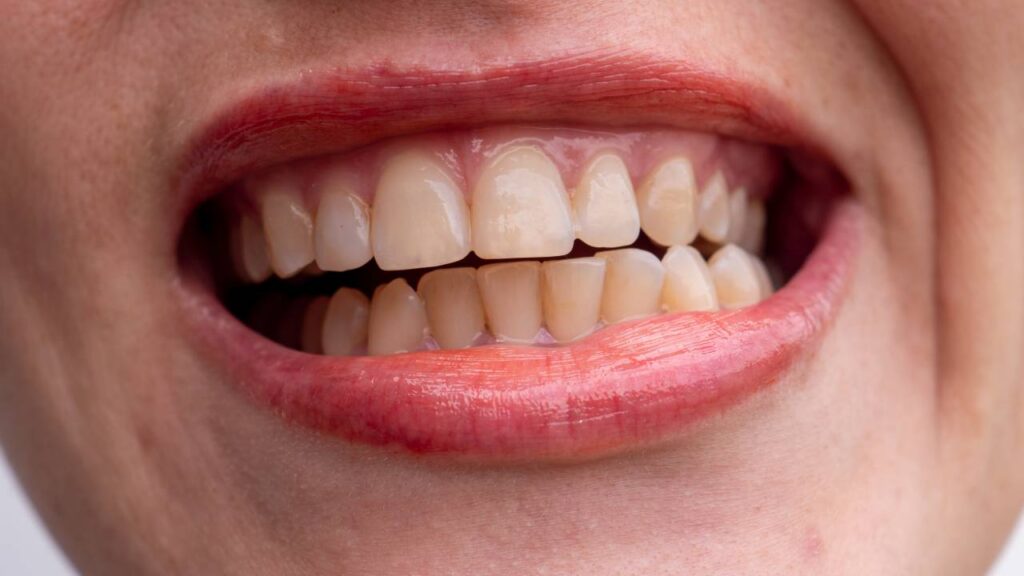
Healthy gingival tissue is pale pink, firm to the touch, and fits snugly around each tooth like a collar. The margin where the gum meets the tooth is tight, not puffy or rolled outward. There is no bleeding during brushing, no soreness, and no recession. This is your baseline. When you examine your gums in the mirror, you are comparing what you see against this description.
The Bleeding Test You Can Do Tonight
Take a length of floss and pass it gently through one interdental space, wrapping it in a C-shape around each tooth and sliding it just under the gumline. Use no pressure beyond what gravity provides. If the gum bleeds, that is a reliable early indicator of inflammation. A 2018 study in the Journal of Clinical Periodontology confirmed that bleeding on probing, even at low force, is one of the most sensitive clinical markers for active gingival disease. Do this test in three or four spots across your mouth tonight. The results tell you where your inflammation is concentrated and give you a benchmark to track improvement against.
Step 2: Fix Your Brushing Technique Before You Change Anything Else
A 2015 systematic review published in the Journal of Dental Hygiene examined brushing habits across 18 clinical studies and found that incorrect technique, not brushing frequency, was the primary driver of persistent plaque at the gumline. Most people brush their tooth surfaces adequately but miss the sulcus, the shallow groove where the gum meets the tooth and where plaque-producing bacteria live.
The single most impactful change you can make tonight is adjusting your technique.
The Angle and Motion That Actually Removes Plaque at the Gumline
The modified Bass technique is the method with the strongest clinical evidence for gingival plaque removal. Position your brush at a 45-degree angle to the gumline so that the bristle tips point toward where the gum and tooth meet. Apply gentle pressure, not scrubbing force, and use short horizontal vibrating strokes, about half a tooth-width per stroke. What this does physically: the bristles slip slightly under the gingival margin and disrupt the bacterial biofilm in the sulcus, the exact location where gingivitis originates. After the short strokes, roll the brush away from the gumline toward the biting edge of the tooth. Repeat this on every tooth surface, including the backs of your back teeth.
How Long You Actually Need to Brush
A 2020 study from the University of Groningen tracked brushing duration in 2,800 adults and found that the average brushing time was 46 seconds. The clinical standard is two minutes. At 46 seconds, you are covering roughly a third of your tooth surfaces. Set a timer or use an electric toothbrush with a built-in 30-second quadrant timer. Two minutes is not a suggestion; it is the threshold at which technique produces measurable plaque reduction.
Why an Electric Toothbrush Changes the Outcome
A 2014 Cochrane Review analyzed 56 trials comparing manual and powered toothbrushes and found that oscillating-rotating electric brushes reduced plaque by 21% and gingivitis by 11% more than manual brushing at one to three months of use. The mechanism is partly mechanical (more strokes per second) and partly behavioral (the built-in timer keeps users brushing long enough). If you are using a manual brush and your gingivitis is not improving, switching to an oscillating-rotating model is the highest-leverage equipment change you can make.
Step 3: Make Flossing a Daily Non-Negotiable
A 2011 randomized controlled trial published in the Journal of Periodontology assigned 51 adults to brushing-only versus brushing-plus-flossing groups over four weeks. The flossing group showed a 38% greater reduction in interproximal gingival bleeding. Brushing reaches three of five tooth surfaces. Flossing reaches the other two. If you are not flossing, you are leaving the most inflammation-prone areas of your gums untreated every single day.
Start flossing tonight, and use the correct technique from the first pass.
The Correct Flossing Motion (Most People Do This Wrong)
Most people snap floss down between teeth and pull it straight back out. This motion does two things wrong: it traumatizes the gingival papilla (the tissue between teeth), and it misses the subgingival area entirely. The correct technique is the C-shape wrap. Take roughly 18 inches of floss, anchor most of it around your middle fingers, and use your thumbs and index fingers to guide a short working section. When the floss reaches the gumline, curve it into a C-shape around one tooth and slide it gently 1 to 2 millimeters below the gumline. Move it up and down two or three times against the tooth surface, then reshape the C around the adjacent tooth and repeat. This is what removes the subgingival plaque driving your inflammation.
The bleeding you have noticed when flossing is not caused by flossing correctly. It is caused by the inflammation that was already there. Consistent daily flossing reduces that bleeding within two weeks as the tissue heals.
When Floss Isn’t Working for You: Interdental Brushes and Water Flossers
For crowded teeth, fixed bridges, or limited dexterity, string floss is genuinely difficult to use effectively. A 2008 randomized clinical trial published in the Journal of Clinical Dentistry found that participants using a Waterpik oral irrigator reduced gingival bleeding by 93% compared to 52% in the floss-only group after four weeks. Interdental brushes, sized to fit your specific gap widths, have similarly strong evidence for proximal plaque removal. If string floss frustrates you to the point of skipping it, a water flosser is not a compromise. It is a clinically supported alternative.
Step 4: Add an Antibacterial Mouthwash to Your Routine
Mouthwash does not replace brushing or flossing. No rinse reaches the subgingival areas where plaque accumulates in sufficient contact time to do what mechanical cleaning does. What mouthwash does is reduce the overall bacterial load in the oral cavity and reach the interproximal and lingual surfaces that brushing touches only partially.
A 2021 randomized controlled trial in the Journal of Clinical Periodontology compared CPC-containing mouthwash to a placebo rinse in 120 adults with gingivitis over 12 weeks. The CPC group showed a statistically significant reduction in gingival index scores and bleeding sites compared to placebo. Used correctly, mouthwash is a meaningful third layer of defense.
Which Mouthwash Ingredients Actually Work
Three active ingredients have peer-reviewed support for gingivitis reduction. Chlorhexidine gluconate (0.12%) is the gold standard; a 1986 landmark study by Löe and Schiott, replicated dozens of times since, demonstrated its ability to inhibit plaque formation and reduce gingival inflammation. It requires a prescription and causes tooth staining with long-term use, so it is typically used in short therapeutic courses. Cetylpyridinium chloride (CPC) is available over the counter in products like Crest Pro-Health and Colgate Total; the 2021 trial above confirms its efficacy without the staining drawback. Essential-oil-based formulas (thymol, eucalyptol, menthol, methyl salicylate) in products like Listerine have a 2004 meta-analysis in the Journal of the American Dental Association supporting their plaque and gingivitis reduction compared to placebo. Any of these three categories will add measurable benefit to your routine.
When to Use Mouthwash in Your Routine
Do not use mouthwash immediately after brushing. Rinsing right after brushing dilutes and washes away the fluoride in your toothpaste before it has time to remineralize enamel. Use mouthwash at a separate time: after lunch, after flossing before bed (so fluoride from your toothpaste stays on after you brush), or at a standalone midday point. Swish for the full 30 seconds specified on the label. Cutting it short reduces the contact time the active ingredient needs to work.
Step 5: Do a Saltwater Rinse Once a Day
A 2016 study published in the Ethiopian Journal of Health Sciences tested saline rinse on 40 patients with gingivitis over seven days. The saltwater group showed statistically significant reductions in gingival index scores and plaque index compared to the control group. The mechanism is straightforward: salt creates a hypertonic environment that draws fluid out of inflamed tissue, reducing swelling, and disrupts bacterial cell membranes at sufficient concentration.
The correct preparation is one teaspoon of non-iodized salt dissolved in eight ounces of warm water. Swish for 30 seconds and spit. Do not swallow. Use this once per day, most effectively in the evening after flossing. More than once daily can irritate oral tissues with prolonged use. This takes 45 seconds and costs nothing.
Step 6: Try Oil Pulling as a Supporting Measure
Oil pulling involves swishing a tablespoon of oil around the mouth for 10 to 20 minutes before spitting it out. Coconut oil is the most studied option for oral health applications because of its lauric acid content, which has documented antimicrobial properties.
A 2015 randomized controlled trial in the Nigerian Medical Journal compared coconut oil pulling to chlorhexidine rinse in 60 adolescents over 30 days. Both groups showed statistically significant reductions in plaque index and gingival scores, with no significant difference between the two interventions. That does not mean oil pulling replaces chlorhexidine. It means it performs comparably in a specific population and is a legitimate supplemental practice. Use it as an addition to your routine, not a replacement for brushing, flossing, or mouthwash. Ten minutes in the morning before brushing is the evidence-supported window. Spit into a trash can rather than the sink to avoid plumbing buildup.
Step 7: Use Hydrogen Peroxide Carefully and Correctly
Hydrogen peroxide releases oxygen on contact with tissue, creating an environment hostile to the anaerobic bacteria that dominate the subgingival microbiome in gingivitis. A 2011 study in the Journal of Periodontology found that a 1.5% hydrogen peroxide rinse used adjunctively with mechanical debridement produced greater reductions in bleeding on probing than mechanical treatment alone.
The key word is diluted. Standard pharmacy hydrogen peroxide is 3%. Cut it 50/50 with water to bring it to 1.5%, which is the concentration with the strongest evidence and the lowest tissue-irritation risk. Swish for 60 seconds and spit. Use it no more than once daily, and do not exceed two to three times per week as a routine practice. Using undiluted 3% hydrogen peroxide orally over time can irritate mucosal tissue and disrupt the healthy oral microbiome. The diluted version, used periodically, is a clinically supported adjunct. Undiluted daily use is not.
Step 8: Adjust Your Diet to Cut Off Gingivitis at the Source
A 2020 study in the Journal of Clinical Periodontology followed 2,022 German adults and found that a diet high in processed foods and refined sugars was independently associated with significantly higher gingival bleeding scores after controlling for brushing frequency and smoking status. Diet is not the only variable, but it is one you control every meal.
The Foods That Feed the Bacteria Causing Your Inflammation
Fermentable carbohydrates, including white bread, crackers, chips, cookies, and sweetened beverages, are metabolized by the acid-producing bacteria in your oral biofilm. This fermentation lowers the pH of the subgingival environment, favoring the growth of pathogenic species like Porphyromonas gingivalis and Fusobacterium nucleatum, both directly implicated in gingival inflammation. Frequency of exposure matters as much as quantity. Sipping a sugary drink over three hours exposes your gingival bacteria to a continuous fuel supply. Eating the same amount of sugar with one meal and then drinking water cuts that exposure dramatically.
The Foods That Actively Protect Gum Tissue
A 2017 study in the Journal of Periodontology found that adults with inadequate vitamin C intake (below 60 mg per day) had significantly higher odds of gingival bleeding and attachment loss compared to adequate-intake groups. Vitamin C is required for collagen synthesis, and gum tissue is collagen-dense. Specific foods with strong evidence for oral tissue support include bell peppers (one red pepper contains roughly 190 mg of vitamin C), strawberries, leafy greens, and citrus. Crunchy vegetables like carrots and celery also mechanically stimulate salivary flow, which buffers oral pH and reduces bacterial adhesion. One concrete swap: replace one daily refined snack with raw vegetables or fruit. That single change addresses both the foods feeding your bacteria and the nutrient gap affecting your tissue repair.
Step 9: Stop Smoking , It Is the Single Largest Modifiable Risk Factor
A 2005 systematic review in the Journal of Clinical Periodontology analyzed 58 studies and found that smokers were between two and seven times more likely to develop periodontitis than non-smokers, with the risk scaling with pack-years of exposure. Tobacco suppresses gingival blood flow through nicotine-induced vasoconstriction, which masks the bleeding that would otherwise signal active inflammation. Your gums can be destroying themselves while appearing stable on the surface.
This is why smokers with gingivitis often present with advanced disease: the early warning signs are suppressed. If you smoke and your gums do not bleed, that is not reassurance. It is a reason to be more vigilant, not less. The NHS Smokefree program and the American Lung Association’s Freedom from Smoking program both have free structured quit-support resources. Your dentist can also prescribe nicotine replacement therapy or refer you to a cessation specialist. Stopping smoking is the single highest-leverage action you can take for your periodontal and systemic health simultaneously.
Step 10: Build the Routine Into a Schedule You Will Actually Keep
A 2012 study in the British Journal of General Practice tracked 217 adults forming new health behaviors over 12 weeks. The median time for a behavior to become automatic was 66 days, not the commonly cited 21. The practical implication: expect the first month to require deliberate effort, and plan for that rather than assuming the habit will spontaneously stick.
The compliance gap is where gingivitis reversal fails. People know the protocol. They follow it for four days, miss one night, and abandon it. Structure prevents that.
Morning Routine: What to Do and in What Order
The evidence-supported morning sequence is: brush first (two minutes, Bass technique, 45-degree angle), then floss or use an interdental cleaner, then use mouthwash at a separate time (midday works well to keep fluoride from your toothpaste on teeth overnight). If you add oil pulling, do it before brushing, not after. Total active time for brushing and flossing: four minutes.
Night Routine: Why This Session Matters More
The nighttime session is more important than the morning one. A 2014 study in the Journal of Dental Research found that salivary flow drops by approximately 85% during sleep, dramatically reducing the natural buffering and antimicrobial effects of saliva. Bacteria that accumulate on unflossed gingival margins overnight do so in an environment with almost no natural clearance. Whatever you leave on your gums at 10 PM will sit there undisturbed for seven to eight hours.
The nighttime sequence: floss first (this removes the interproximal plaque your brush cannot reach), then brush with fluoride toothpaste for two full minutes, then use your saltwater rinse or hydrogen peroxide rinse on appropriate alternating evenings. Do not eat or drink anything but water after the nighttime brush.
How Long Reversal Takes: What the Research Shows
A 1965 landmark study by Harald Löe, Else Theilade, and S. Børglum Jensen, published in the Journal of Periodontology, established the foundational timeline for gingivitis development and reversal. Participants who stopped all oral hygiene developed measurable gingivitis within 10 to 21 days. When hygiene was reinstated, gingival health was fully restored within seven to 14 days. More recent research in populations with established gingivitis shows a slightly longer restoration window: a 2019 study in the International Dental Journal found that patients with moderate gingivitis who followed a consistent home-care protocol achieved clinically healthy gingival scores at the four-week mark.
Your checkpoint is two weeks. At two weeks of consistent brushing technique correction and daily flossing, bleeding should be noticeably reduced. At four weeks, you should see a measurable improvement in tissue color, firmness, and bleeding response. If you are not seeing improvement at four weeks, the troubleshooting section below explains why.
Troubleshooting: Why Your Gums Aren’t Improving
Four specific barriers account for the majority of cases where home care stalls. Identifying which one applies to your situation determines the correct next step.
Tartar Cannot Be Removed at Home
Plaque that remains on tooth surfaces for 24 to 72 hours mineralizes into calculus, commonly called tartar. Calculus is a porous, hard deposit that bonds to the tooth surface and creates a chronically irritating rough surface that plaque re-colonizes continuously. No brushing technique, no mouthwash, and no rinse removes calculus once it has formed. If tartar is present (visible as a yellowish-brown crust at the gumline, particularly on the lingual surface of lower front teeth), home care reduces the bacterial load on top of it but cannot eliminate the underlying irritant.
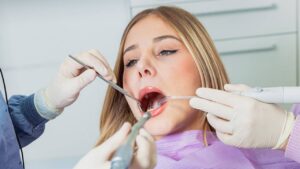
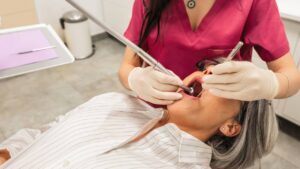
A professional scaling removes calculus completely and is the required first step before home care can achieve reversal. Understanding what a professional cleaning involves takes the uncertainty out of that appointment. It is not a punishment for failing at home care. It is the step that makes home care work.
Medications That Cause or Worsen Gingival Inflammation
Three drug categories are specifically associated with gingival changes that complicate reversal. Calcium channel blockers (amlodipine, nifedipine), used to treat hypertension and angina, cause gingival overgrowth in a subset of patients. Phenytoin (Dilantin), an antiepileptic, also causes gingival overgrowth. Cyclosporine, an immunosuppressant used after organ transplantation, has the same effect. If you take any of these medications and your gums are not responding to home care, flag this with both your dentist and your prescribing physician. Do not stop or adjust the medication independently. In some cases, the prescribing physician can substitute an equivalent drug with fewer oral side effects; in others, more frequent professional cleanings manage the overgrowth.
Systemic Conditions That Complicate Reversal
Diabetes has a bidirectional relationship with periodontal disease that makes gingivitis harder to reverse without glycemic management. A 2018 meta-analysis in Diabetes Care analyzed 57 studies and found that patients with poorly controlled type 2 diabetes had a 3.35 times greater risk of periodontitis compared to non-diabetic controls, and that periodontal inflammation independently worsened insulin resistance. The connection between blood sugar and gum health runs in both directions: controlling one improves the other. Hormonal changes during pregnancy and menopause also alter gingival vascular response, making tissue more reactive to plaque levels that would otherwise cause minimal inflammation. If a systemic condition is a factor, home care is still necessary. It simply needs to be paired with appropriate medical management.
When to Stop Treating at Home and See a Dentist
Four specific signs mean home care alone is insufficient and that professional evaluation is needed now.
Persistent bleeding after four weeks of consistent technique-correct brushing and daily flossing signals that the inflammation source has not been eliminated, typically due to subgingival calculus or disease that has progressed beyond gingivitis. Gum recession, where the gumline appears to be pulling away from the tooth, is a sign of structural change that requires clinical assessment. Loose teeth indicate bone or ligament involvement, both of which are irreversible without professional treatment. Deep pockets (which your dentist measures with a probe; anything above 3mm in a specific location warrants attention) indicate that disease has advanced to the structures below the gumline.
Understanding the warning signs that something more than gingivitis is happening helps you make that call with clarity rather than anxiety. A professional cleaning at this stage is not a last resort. It is the intervention that restores the conditions in which home care can succeed. For anyone who has not had a cleaning in more than six months, scheduling one now is the single most important thing on this list.
What to Try This Week
Start tonight with one thing: the Bass-technique brush pass. Set a two-minute timer, angle your brush at 45 degrees to the gumline, and use short horizontal strokes on every tooth surface. Then take 18 inches of floss and do the C-shape wrap on every interproximal space, sliding gently below the gumline. Check for bleeding sites and note where they are.
That is the baseline. Two weeks of corrected brushing technique alone produces measurable plaque reduction in the research. Add one new step every three to four days rather than overhauling everything simultaneously. The routine becomes sustainable when it builds gradually.
If you have not had a professional cleaning in the past six months, schedule one at the same time you start this protocol. Home care and professional scaling work together. One without the other is slower and less certain than both together.