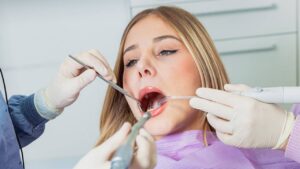
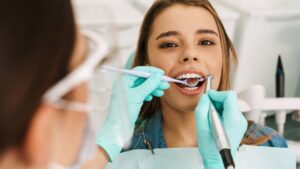
When you invest in a comprehensive dental exam, you’re taking a proactive step to protect both your smile and your wallet. A comprehensive dental exam goes beyond a routine checkup by offering a full-mouth evaluation, advanced diagnostics, and a personalized treatment plan. By detecting issues early and tailoring preventive care, you can avoid costly procedures down the line and maintain optimal oral health.
In the sections that follow, you’ll discover what a detailed dental assessment entails, how it differs from a standard checkup, and the ways early detection can translate into real savings. You’ll also learn how to prepare for your visit, choose the right preventive services under one roof, and take control of your dental health.
Understand comprehensive dental exam
A comprehensive dental exam is a detailed assessment of your oral health, typically performed for new patients or existing patients every three to five years. It establishes a baseline record and uncovers any hidden issues before they escalate.
What it includes
- Review of your medical and dental history to identify risk factors
- Full examination of teeth, gums, jaw joints, and soft tissues
- Evaluation of existing restorations such as crowns, fillings, or veneers
- Measurement of gum attachment levels for early periodontal screening
- A complete set of X-rays or digital scans to spot decay, bone loss, or infections [1]
- An oral cancer screening to catch irregularities at the earliest stage [2]
How often you need one
- New patients should schedule a comprehensive exam as the first step in their care plan [3].
- Existing patients generally repeat this in-depth evaluation every three to five years, depending on oral health needs.
- If you experience unexplained pain, swelling, or other concerns, ask your provider for an earlier assessment.
Overall, this thorough exam lays the groundwork for tailored treatment and preventive strategies.
Explore exam components
Each element of a comprehensive dental exam plays a key role in early detection and prevention.
Medical history review
Your dentist will discuss medications, past dental work, chronic conditions, and lifestyle factors. Understanding your overall health helps identify connections between systemic issues and oral findings.
Gum and tooth evaluation
A tooth-by-tooth inspection checks alignment, enamel condition, and signs of decay. Gum tissues are examined for bleeding, recession, or pockets that indicate periodontitis [4].
Diagnostic imaging
Digital X-rays, 3D scans, and intraoral photos reveal hidden decay, cysts, and bone changes. These tools improve accuracy and comfort compared to traditional film.
Oral cancer screening
A systematic check of the cheeks, tongue, lips, and throat can uncover precancerous or malignant lesions. Early identification of oral cancer significantly improves treatment outcomes.
Compare exam versus checkup
Understanding the difference between a comprehensive assessment and a routine visit helps you plan the right care at the right time.
| Feature | Comprehensive exam | Routine checkup |
|---|---|---|
| Scope | Full-mouth evaluation, X-rays, medical review | Basic oral exam, visual inspection |
| Frequency | Every 3–5 years or as needed | Every 6 months [5] |
| Preventive focus | Baseline record, personalized treatment plan | Maintenance cleaning, plaque and tartar removal |
| Ideal candidate | New patients, high-risk cases, complex history | Patients with stable oral health |
Scope and depth
A comprehensive assessment provides a roadmap for future care, covering every aspect of your oral system. A checkup emphasizes maintenance and hygiene upkeep.
Frequency differences
While routine visits are recommended twice a year, the in-depth exam is less frequent but more detailed. Your dentist can advise the optimal schedule based on your risk factors.
Identify savings benefits
By catching problems early and preventing advanced treatments, you can save hundreds or even thousands of dollars over time.
Early detection impact
- Identifying cavities at an initial stage spares you from root canals, crowns, or extractions
- Spotting gum disease early can avoid surgical periodontal therapy
- Discovering minor fractures or wear patterns prevents extensive restorative work
Preventive treatments
- Sealants and fluoride applications protect vulnerable areas
- Customized cleaning schedules stop plaque buildup before it causes decay
- Personalized oral hygiene guidance reduces emergency visits
Insurance coverage
Most dental plans cover two exams and cleanings per year, though benefits vary by provider [6]. By maximizing your preventive benefits, you minimize out-of-pocket expenses and make the most of your coverage.
Choose preventive services
Under one roof, you can access a full suite of preventive care options that complement your comprehensive exam.
- Professional cleaning and polishing to remove plaque and tartar [7]
- Dental sealants for kids and adults to shield deep grooves [8]
- Fluoride varnish or gel applications for enamel strengthening [9]
- Preventive oral care plans tailored to your lifestyle [10]
- Convenient cleaning and exam packages that streamline your visits [11]
These services work together to reduce your risk of decay and gum disease, keeping long-term costs down.
Prepare for your appointment
A little planning ensures your visit runs smoothly and you get the most from your exam.
What to bring
- Insurance card and identification
- List of current medications and medical conditions
- Questions or concerns you’d like to address
- Records of previous dental work if available
Manage dental anxiety
- Discuss sedation or relaxation options with your provider
- Choose a practice known for a gentle approach [12]
- Practice breathing exercises or bring headphones for calming music
A supportive environment and open communication help you feel comfortable throughout the process.
Take proactive steps
Schedule your exam
Contact a provider accepting new patients in your area [13] and book a comprehensive assessment. Early planning prevents last-minute rushes and ensures continuity of care.
Maintain oral health
- Brush twice daily with fluoride toothpaste
- Floss or use interdental cleaners at least once a day
- Attend regular checkups and professional cleanings
- Ask about preventive dentistry services to reinforce your routine [14]
- Partner with a family practice that offers general and specialized care [15]
By combining thorough dental exams with consistent preventive habits, you’ll protect your smile, reduce the need for extensive treatments, and save money over a lifetime.
References
- (digital x-ray dental exam)
- (oral cancer screening dentist)
- (new patient dental exams)
- (gum disease evaluation dentist)
- (routine dental checkup surfside beach)
- (Delta Dental)
- (professional dental cleaning myrtle beach, dental hygiene maintenance)
- (dental sealants for kids)
- (fluoride treatment dentist)
- (preventive oral care myrtle beach)
- (dental cleaning and exam package)
- (gentle general dentistry)
- (dentist accepting new patients sc)
- (preventive dentistry services)
- (family general dentistry sc, general dentistry services sc)