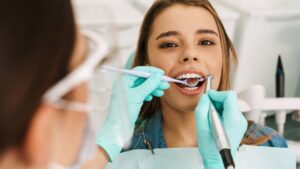
Understand dental crowns
When you consult a cosmetic crown dentist, you’re investing in a versatile solution that protects and enhances your smile. Dental crowns are tooth-shaped caps designed to restore teeth that are weak, broken, decayed, or worn down. They also cover dental implants and teeth treated with root canals, fitting entirely over the prepared tooth after a small amount of enamel is removed for an ideal fit [1].
What are dental crowns?
- A dental crown fully encases the visible portion of a tooth from the gum line to the biting surface.
- Crowns can be made of metal, porcelain, ceramic or a combination, chosen for strength, aesthetics or biocompatibility.
- They protect compromised teeth, prevent further damage and restore chewing function.
When do you need a crown?
You might require a crown if:
- You have a large filling and minimal healthy tooth structure remaining.
- A tooth is fractured or cracked, risking further breakage.
- You’ve completed a root canal and need to safeguard a fragile tooth.
- You seek a cosmetic upgrade for misshapen, discolored or uneven teeth.
Benefits of cosmetic crowns
- Durability: Metal crowns withstand heavy chewing, while porcelain and zirconia balance strength with natural appearance.
- Aesthetics: All-ceramic options mimic enamel shades, offering seamless integration with neighboring teeth.
- Longevity: With good care, crowns last 5 to 15 years, and some can exceed 30 years [1].
- Versatility: Crowns support bridges, cover implants and restore single teeth.
For comprehensive options in crown restorations, explore our cosmetic dental crowns page.
Compare crown materials
Choosing the right crown material is essential for a balance of function, appearance and cost. Your cosmetic crown dentist will guide you based on the tooth’s location, your bite forces and aesthetic goals.
Metal crowns
- Composed of gold, palladium, nickel or chromium.
- Require minimal tooth reduction and rarely chip or break.
- Best suited for molars due to their metallic hue.
Porcelain-fused-to-metal (PFM) crowns
- Combine a metal base with porcelain overlay.
- Offer strength and a color-matched finish.
- Risk of porcelain chipping, exposing metal underneath.
- Can wear opposing enamel over time.
All-ceramic and zirconia crowns
- Provide the most natural translucency and shade matching.
- Ideal for front teeth and patients with metal allergies.
- Zirconia crowns offer superior fracture resistance and gentle wear on opposing teeth [1].
Resin and pressed ceramic options
- Resin crowns are economical but less durable, prone to wear and staining.
- Pressed ceramic crowns strike a balance between aesthetics and strength.
Material selection tips
- For high-visibility teeth, prioritize porcelain or all-ceramic.
- For back teeth under heavy load, consider metal or zirconia.
- Discuss allergies, budget and long-term goals with your dentist.
Explore crown procedures
Understanding the steps of crown placement can help set realistic expectations and ease any anxiety you have.
Traditional two-visit process
- Tooth preparation and impressions
- Your dentist numbs the area and trims enamel to shape the tooth.
- Impressions or digital scans capture precise measurements for lab fabrication [2].
- Temporary crown placement
- A provisional crown protects the prepared tooth while the permanent crown is crafted.
- Permanent crown cementation
- At your second visit, the temporary is removed, and the permanent crown is adjusted and cemented in place.
Same-day crown technology
Advanced CAD/CAM systems scan, design and mill ceramic crowns in a single appointment. This option offers convenience but may not suit all cases [1].
Managing procedure discomfort
- Expect mild sensitivity to heat and cold for a few days after placement.
- Over-the-counter pain relievers help manage soreness.
- Maintain soft foods and avoid extreme temperatures until sensitivity subsides.
Evaluate costs and insurance
Investing in cosmetic crown work involves understanding typical fees, insurance coverage and cost-saving opportunities.
Typical cost ranges
| Crown type | Average cost (no insurance) |
|---|---|
| Metal | $900 – $2,500 |
| Porcelain-fused-to-metal (PFM) | $800 – $1,500 |
| All-ceramic or zirconia | $1,000 – $2,500 |
| Resin | $500 – $1,000 |
Data as of 2024 [3].
Insurance coverage tips
- Medically necessary crowns, such as post-root canal restorations, are often covered at 50% or more up to annual caps [3].
- Purely cosmetic crowns may not qualify for coverage.
- Verify in-network status and annual maximums before treatment.
Cost-saving strategies
- Enroll in dental savings plans or discount programs.
- Utilize HSAs or FSAs for tax-advantaged payments.
- Consider treatment at dental schools for reduced fees.
- Ask about payment plans or sliding scale options.
Maintain your crown
Long-term success depends on your daily habits and routine dental care.
Oral hygiene practices
- Brush twice daily with a soft-bristled brush.
- Floss around crown margins to prevent plaque buildup.
- Use an antimicrobial mouthwash as recommended.
Avoiding damage triggers
- Steer clear of chewing ice, hard candies or nonfood items.
- Wear a nightguard if you grind or clench your teeth.
- Address shifts in bite or looseness promptly.
Recognizing issues early
- Report persistent pain, sensitivity or bite changes.
- Look for cracks, chips or discoloration on crowns.
- Schedule regular check-ups and professional cleanings.
Enhance your smile
Crowns can be part of a comprehensive cosmetic plan that brightens and balances your smile.
Pairing crowns with whitening
- Schedule professional whitening before crown shade selection for perfect color matching.
- Explore our teeth whitening surfside beach for in-office or take-home options.
Combining with veneers and bonding
- Veneers address shape and minor alignment issues on front teeth.
- Dental bonding repairs chips and gaps with composite resin [4].
- Consider our whitening & veneers package for a coordinated approach.
Gum contouring for balance
- Balanced gingival margins enhance crown symmetry.
- Learn about our gum contouring cosmetic procedures to refine your gum line.
Smile design consultation
- Work with a smile design dentist to map your ideal smile.
- Digital mock-ups help you visualize outcomes before treatment starts.
Choose cosmetic crown dentist
Selecting the right professional ensures a confident, predictable result.
Credentials and experience
- Confirm your dentist’s cosmetic and restorative credentials.
- Board certification in prosthodontics or cosmetic dentistry underscores specialized training.
Patient reviews and outcomes
- Read testimonials and view before-and-after galleries.
- Ask for case studies that highlight crown transformations.
Technology and amenities
- In-office CAD/CAM and digital imaging streamline planning and fabrication.
- Comfort features like sedation options and ergonomic chairs ease your experience.
Personalized treatment planning
- Look for dentists who tailor plans to your functional needs and aesthetic goals.
- A thorough cosmetic dental evaluation covers bite analysis, facial symmetry and shade matching [5].
By understanding crown options, procedures and maintenance, and by choosing a qualified cosmetic crown dentist, you’ll enjoy a brighter, stronger smile that lasts. If you’re ready to explore your options, contact our cosmetic dental clinic myrtle beach to schedule your consultation.