Understand dental hygiene maintenance
Your dental hygiene maintenance lays the foundation for a healthy smile and overall wellbeing. Effective dental hygiene maintenance involves daily habits and professional care that work together to prevent cavities, gum disease, and other oral health issues. By prioritizing preventive measures, you reduce the risk of costly or invasive treatments down the road and enjoy benefits like fresher breath, stronger teeth, and greater confidence.
Regular check-ups are an essential part of any maintenance plan. Most individuals benefit from a professional cleaning and exam every six months, though your dentist may recommend more frequent visits if you have risk factors such as active gum disease, a history of cavities, or certain medical conditions [1]. In addition to clinical visits, a consistent at-home routine tackles plaque buildup and supports gum health. Overall, understanding these elements empowers you to take control of your oral health.
Establish daily oral routine
A reliable daily routine tackles plaque before it hardens into tartar. Your routine should include:
-
Brushing twice a day
Brush gently at a 45-degree angle for two minutes, covering all tooth surfaces. Overbrushing or using a hard-bristled brush can damage enamel and irritate gums, so choose a soft-bristled toothbrush and apply light pressure. -
Flossing once a day
Floss before brushing to remove plaque and debris between teeth. Daily flossing reduces the risk of gingivitis and halts decay in hard-to-reach areas. -
Using mouthwash
An antimicrobial or fluoride rinse can reach pockets around teeth and freshen breath. Rinse for 30 seconds after flossing or brushing to maximize benefits.
Proper brushing technique
- Wet your soft-bristled toothbrush and apply a pea-sized amount of fluoride toothpaste.
- Position the brush at a 45-degree angle toward the gumline.
- Use gentle, circular motions for at least two minutes.
- Brush outer, inner, and chewing surfaces.
- Finish by brushing your tongue or using a tongue scraper to remove bacteria.
Effective flossing habits
- Gently guide floss between teeth using a C-shape around each tooth.
- Slide the floss up and down against the tooth surface and under the gumline.
- Use a clean section of floss for each tooth to avoid transferring bacteria.
Mouthwash usage
Consider adding a mouthwash to your routine if you have:
- Persistent bad breath
- High cavity risk
- Signs of gum inflammation
Look for a product with fluoride or antimicrobial agents to strengthen enamel and reduce bacterial growth.
Choose the right tools
Selecting the appropriate oral care products helps you maintain consistency and comfort.
| Tool | Features | Benefits |
|---|---|---|
| Soft-bristled brush | Gentle on gums and enamel | Prevents gum irritation and erosion |
| Electric toothbrush | Timers and pressure sensors | Ensures two-minute brushing with optimal pressure |
| Waxed dental floss | Slides easily between tight contacts | Reduces risk of floss shredding |
| Water flosser | Pulsating stream of water | Ideal for braces or implants |
| Fluoride rinse | Contains 0.05%–0.2% sodium fluoride | Remineralizes enamel and prevents decay |
Toothbrush selection
A soft-bristled brush minimizes enamel wear and gum abrasion. If you struggle to meet the two-minute mark or brush too hard, an electric toothbrush with a built-in timer and pressure sensor can help you maintain optimal technique.
Toothpaste and floss options
- Fluoride toothpaste strengthens enamel and prevents demineralization.
- Whitening toothpaste removes surface stains but may be abrasive; use sparingly.
- Waxed or tape floss glides smoothly between tight contacts and resists shredding.
Additional hygiene aids
- Interdental brushes for wider spaces between teeth
- Tongue scrapers to remove odor-causing bacteria
- Chewing gum with xylitol to stimulate saliva and neutralize acids
Schedule professional cleanings
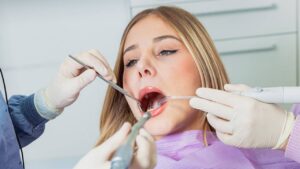
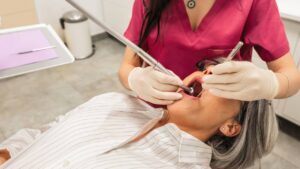
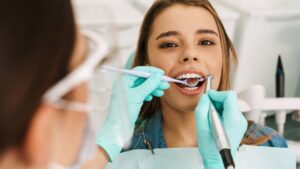
Professional cleanings and exams are vital to catch issues early and remove hardened plaque that you can’t address at home.
Recommended check-up frequency
- Every six months for most patients
- Every three to four months if you have active gum disease or high caries risk
- Children should begin check-ups by their first birthday and continue every six to twelve months thereafter [1]
What to expect during visits
- Digital x-rays
Quick, low-radiation images help diagnose cavities, bone loss, or impacted teeth [2]. - Oral cancer screening
A visual and tactile exam checks for lesions or unusual tissue changes [3]. - Professional cleaning
Scaling and polishing remove tartar and surface stains [4]. - Comprehensive exam
A detailed assessment evaluates your bite, gum health, and previous restorations [5].
Follow-up care
After your appointment, your dentist or hygienist may:
- Recommend a fluoride treatment to strengthen enamel [6]
- Suggest sealants for children to protect molars [7]
- Discuss dietary or hygiene adjustments based on your risk factors
Address common issues
Even with diligent care, you may encounter occasional problems. Early intervention prevents minor concerns from becoming major treatments.
Managing gum sensitivity
- Use a soft-bristled brush and desensitizing toothpaste.
- Rinse with warm salt water to soothe inflamed gums.
- Schedule a gum disease evaluation if bleeding persists [8].
Preventing tooth decay
- Limit sugary snacks and acidic beverages, as bacteria in plaque convert sugars to enamel-eroding acids [9].
- Wait at least 30 minutes after eating before brushing to protect softened enamel.
- Consider a preventive dental care plan to keep decay at bay [10].
Handling emergency symptoms
Contact your dentist promptly if you experience:
- Severe tooth pain or swelling
- A knocked-out or fractured tooth
- Persistent bleeding after an injury
Quick attention can save the tooth and reduce the risk of infection.
Adopt supportive habits
Your lifestyle choices influence oral health more than you might think. By building supportive habits, you enhance the effectiveness of your routine.
Balanced diet for teeth
- Calcium-rich foods like dairy and fortified plant milks support enamel formation [11].
- Crunchy fruits and vegetables help scrub teeth and stimulate saliva.
- Limit added sugars to under 10% of daily calories to reduce caries risk [11].
Hydration and saliva
Saliva neutralizes acids and delivers minerals to enamel. Drink water throughout the day, especially after meals or snacks, to rinse away food particles and maintain saliva flow.
Tobacco and alcohol impact
- Smoking increases your risk of gum disease, tooth loss, and oral cancer.
- Excessive alcohol can dry the mouth and promote bacterial overgrowth.
- Quitting tobacco and moderating alcohol intake protects your oral tissues and overall health.
Utilize preventive treatments
Professional preventive services reinforce your at-home efforts and target specific risk factors.
Fluoride applications
Topical fluoride strengthens enamel and reverses early signs of decay. Your dentist may apply a high-concentration varnish or recommend a prescription rinse [6].
Dental sealants
A thin, protective coating applied to chewing surfaces seals out bacteria in children and adults with deep grooves [7].
Oral cancer screening
Early detection of oral cancer greatly improves outcomes. Incorporate screening into every routine exam [3].
Digital x-ray exams
Advanced digital radiography provides clearer images with less radiation, helping diagnose hidden decay, bone changes, or root issues [2].
Monitor progress and adjust
Tracking your oral health journey ensures that your maintenance plan stays effective.
Tracking oral improvements
- Keep a journal of any sensitivity, bleeding, or pain.
- Note improvements in fresh breath and gum firmness.
- Review your brushing and flossing frequency—aim for consistency.
When to consult your dentist
Schedule an unscheduled visit if you notice:
- New or worsening pain
- Persistent bad breath
- Changes in your bite or tooth position
- Signs of infection such as swelling or fever
Early consultation can prevent complications and keep your plan on track.
Access comprehensive care
Our practice provides no-judgment, full preventive services under one roof, making it easy to maintain your smile.
Preventive dentistry services
From routine cleanings to fluoride treatments, we offer a complete suite of services designed for lifelong oral health [12].
Family general dentistry
We welcome patients of all ages, providing gentle care for children, adults, and seniors alike [13].
New patient exams
If you’re new to our office, start with a thorough diagnostic dental exam and personalized treatment plan [14].
Flexible care options
Whether you need an in-office visit or a combined cleaning and exam package, we make it simple to schedule and stay on track [15].
Take the next step
By integrating these strategies into your life, you achieve and sustain perfect dental hygiene maintenance. Ready to get started? Schedule your comprehensive exam or professional cleaning today and take control of your oral health journey. We’re here to support you every step of the way.
References
- (Delta Dental)
- (digital x-ray dental exam)
- (oral cancer screening dentist)
- (professional dental cleaning myrtle beach)
- (comprehensive dental exam)
- (fluoride treatment dentist)
- (dental sealants for kids)
- (gum disease evaluation dentist)
- (NCBI Bookshelf)
- (preventive dental care myrtle beach)
- (American Dental Association)
- (preventive dentistry services)
- (family general dentistry sc)
- (new patient dental exams, diagnostic dental exam)
- (dental cleaning and exam package, routine dental checkup surfside beach)