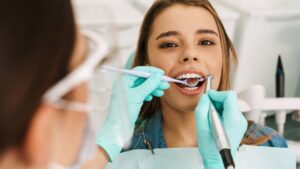
Understanding dental sealants
Dental sealants for kids provide a protective coating on the chewing surfaces of back teeth, helping prevent cavities before they start. By sealing the deep grooves and fissures where food particles and bacteria tend to collect, sealants act as a barrier against decay. You may already be taking your child in for a comprehensive dental exam or professional dental cleaning myrtle beach. Adding sealants to their preventive routine can enhance protection and reduce the need for future fillings.
Recognizing the benefits
When you explore preventive dentistry services, you’ll find that sealants offer several advantages for children’s oral health.
Reducing cavity risk
- Children without protective coatings on their molars are almost three times more likely to develop cavities in those teeth [1].
- Sealants can prevent up to 80 percent of cavities for two years after application and continue to protect against 50 percent of cavities for up to four years [2].
- School sealant programs have demonstrated cost savings of more than $11 in dental treatment costs per sealed tooth, illustrating both health and economic benefits.
Long-lasting protection
Sealants typically last between five and ten years, depending on oral hygiene habits and regular dental checkups [3]. Even if a sealant wears down or chips, your dentist can repair or replace it at routine visits, ensuring continuous coverage.
Cost-effectiveness
Insurance plans, including Medicaid, often cover sealants for children, which means you may pay little or nothing out of pocket [4]. Investing in sealants now can spare you the expense and discomfort of fillings, crowns, or more invasive treatments later.
Evaluating candidacy for sealants
Most children and teenagers are excellent candidates for sealant application, but certain factors can influence timing and eligibility.
Age considerations
- Permanent molars and premolars usually erupt between ages six and fourteen. Dentists generally wait until teeth are fully emerged—around ages six to eight for first molars—before applying sealants [5].
- Early placement ensures protection during cavity-prone years.
High-risk factors
You should consider sealants if your child:
- Has a history of cavities
- Is exposed to secondhand smoke
- Takes medications that reduce saliva flow
- Has difficulty brushing the back teeth thoroughly
Children with deep grooves or who struggle to cooperate during brushing and flossing may benefit most from sealants [6].
Preparing for the procedure
When you bring your child in for sealant placement, a few preparatory steps ensure a smooth experience.
Consultation and exam
During your visit, the dentist will conduct a diagnostic dental exam or new patient dental exams to assess:
- Tooth eruption status
- Existing decay or restorations
- Gum health and oral hygiene habits
This comprehensive review helps determine which teeth need sealants and identifies any additional preventive needs, such as a fluoride varnish application with your fluoride treatment dentist.
Insurance coverage
Most dental plans cover sealants on permanent first and second molars for children under 18, though coverage for adult sealants varies [4]. We recommend contacting your carrier before your appointment to verify benefits and preauthorize services.
Undergoing sealant application
The sealant process is quick, painless, and typically requires no anesthesia. Most children are comfortable throughout the visit.
Step-by-step process
- Clean the tooth surface with a mild pumice polish and rinse.
- Etch the enamel with a safe acidic solution to improve adhesion.
- Rinse and dry the teeth thoroughly—moisture can interfere with bonding.
- Paint the liquid sealant material into the grooves of each target tooth.
- Cure the coating with a special light that hardens the sealant in seconds.
Comfort and safety
- The entire application takes only a few minutes per tooth [4].
- No needles or drilling are involved, so most children find the experience positive.
- Sealants are BPA-free and considered completely safe by the American Dental Association and the U.S. Food and Drug Administration [5].
Maintaining sealant longevity
To maximize the lifespan of your child’s sealants, a combination of home care and professional monitoring is essential.
Home care tips
- Encourage brushing twice daily with fluoride toothpaste and flossing once a day.
- Discourage chewing on hard objects like ice or pen caps that could chip the sealant.
- Offer a balanced diet low in sugary snacks and beverages.
Professional checkups
Schedule regular routine dental checkup surfside beach visits every six months. During these visits, the dentist will:
- Examine sealants for wear or damage
- Repair or reapply sealant material as needed [7]
- Provide preventive dentistry services such as cleanings and oral cancer screenings
Comparing preventive options
While sealants excel at protecting grooves and fissures, you may wonder how they stack up against other preventive treatments.
Sealants vs fluoride
| Feature | Sealants | Fluoride treatments |
|---|---|---|
| Primary action | Physical barrier in molar grooves | Strengthens enamel against acid attacks |
| Application frequency | Once every 5–10 years | Typically every 3–6 months |
| Target areas | Chewing surfaces of back teeth | Entire tooth surface |
| Cavity prevention rate | Up to 80% for 2 years, 50% for 4 years [2] | Reduces decay by 20–40% across all tooth surfaces |
| Ease of application | Quick, painless in-office procedure | May involve varnish, gel or foam in-office or at home |
Combined treatments
For optimal protection, you can pair sealants with:
- In-office fluoride varnish applications from your fluoride treatment dentist
- Professional cleanings and digital x-ray dental exam to catch issues early
- Daily use of fluoride toothpaste and mouthwash
Finding dental services
Our practice offers a full suite of preventive oral care under one roof, making your visits efficient and stress-free.
Comprehensive preventive care
- Preventive oral care myrtle beach packages that include exams, cleanings, x-rays, and sealants
- Gum disease evaluation dentist screenings
- Oral cancer screening dentist for patients of all ages
Easy scheduling and access
- New patients can book through our dentist accepting new patients sc portal
- Flexible appointment times, including early mornings and late afternoons
- All records and treatment plans managed in one location for continuity of care
Taking the next step
Now that you know how sealants protect your child’s molars, you can make an informed decision about preventive treatments.
Scheduling your appointment
Contact us to arrange a dental cleaning and exam package that includes evaluation for sealants. If your child has recent x-rays or fluoride treatments, bring those records to speed up the process.
What to expect
- A warm welcome from our friendly team in a no-judgment, supportive environment
- A thorough exam and discussion of your child’s preventive needs
- Quick, painless application of sealants if indicated
Investing in sealants means giving your child the support necessary for lasting oral health. Reach out today to protect their smile and enjoy peace of mind knowing you’ve taken a proactive step toward cavity prevention.