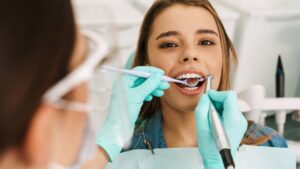
Understand fluoride benefits
Fluoride plays a crucial role in strengthening your enamel and preventing decay. When you visit a fluoride treatment dentist, you tap into a proven method to protect your smile and maintain long-term oral health.
How fluoride strengthens enamel
- Fluoride helps replenish lost minerals in early decay, a process known as remineralization [1]
- It makes tooth enamel more resistant to acid attacks from bacteria and sugars [2]
- Regular exposure, whether from water, toothpaste, or professional applications, builds resilience against cavities
Fluoride’s cavity-fighting action
By integrating fluoride into your routine, you can expect:
- A 25 percent reduction in cavity risk for both children and adults [2]
- Slowed progression of early decay, often reversing damage before a filling is needed
- Enhanced protection for vulnerable areas, such as grooves in molars and exposed root surfaces
Who benefits most
Almost everyone gains from fluoride applications, but special groups include:
- Children (6 months–16 years) for developing teeth, with careful dosing to avoid fluorosis [2]
- Adults with dry mouth caused by medications or health conditions
- Patients with a history of frequent cavities, receding gums, or braces
- Seniors facing gum recession and enamel thinning
Find a fluoride dentist
Choosing the right professional ensures you receive safe, effective fluoride care along with comprehensive preventive services.
What to expect during treatment
When you book a session with your fluoride treatment dentist, the procedure typically involves:
- A quick dental exam or review of your chart
- Application of fluoride gel, foam, or varnish to clean, dry teeth
- A brief curing time (usually under five minutes)
- Post-treatment instructions, such as avoiding eating or drinking for 30 minutes [2]
Recommended treatment frequency
Frequency varies by risk level:
| Patient group | Professional fluoride treatment |
|---|---|
| Low-risk adults and children | Every 6–12 months |
| Moderate-risk adults (dry mouth, braces) | Every 3–6 months |
| High-risk children (history of cavities) | Every 3–4 months |
| Seniors with gum recession or disease | Every 3–6 months |
These intervals align with guidelines from leading dental care organizations and help you stay ahead of decay [3].
In-office vs at-home care
- In-office treatments deliver professional-strength fluoride under supervision
- Prescription at-home gels or rinses extend protection between visits [4]
- Your dentist may recommend a custom regimen based on your local water supply, diet, and risk factors
Combine preventive services
Maximize your oral health by bundling fluoride applications with other preventive treatments, all under one roof in a no-judgment environment.
Professional dental cleaning
A thorough professional dental cleaning myrtle beach removes plaque and tartar that shelter decay-causing bacteria. Paired with fluoride, it primes enamel for optimal remineralization.
Comprehensive dental exam
During your comprehensive dental exam, your dentist evaluates:
- Tooth integrity and early signs of cavities
- Gum health and periodontal risk
- Oral cancer screening via digital x-ray dental exam and visual checks
This full-service review guides personalized fluoride and hygiene recommendations.
Preventive dentistry services
Your practice may offer a range of services to support lasting oral health:
- Dental sealants for kids to protect molar grooves
- Gum disease evaluation dentist for early periodontal care
- Oral cancer screening dentist for peace of mind
- Tooth-colored fillings surfside beach for discreet repairs
- Regular dental cleaning and exam package for comprehensive care
Combining these services with fluoride treatments ensures an integrated approach to your smile.
Choose your dental practice
Selecting a friendly, accessible office makes it easier to keep up with preventive care and fluoride visits.
Accessibility and convenience
Look for a clinic offering:
- Extended hours and flexible scheduling
- Easy online booking
- Close proximity to home or work
- Coordination of new patient dental exams and follow-ups
A practice that accepts your insurance and offers a dentist accepting new patients sc can simplify your experience.
No-judgment preventive care
Preventive visits focus on support, not criticism. Your dentist and hygienist will:
- Listen to your concerns without judgement
- Offer tailored guidance for brushing, flossing, and diet
- Encourage questions about fluoride, sealants, and other options
Under-one-roof services
Enjoy the ease of receiving all your basic and advanced preventive treatments at one location:
- Routine dental checkup surfside beach
- Diagnostic dental exam
- Family general dentistry sc
- Gentle general dentistry
- Preventive oral care myrtle beach
An integrated practice reduces travel time and ensures cohesive care plans.
Maintain oral health at home
Fluoride treatments are most effective when paired with consistent home care and healthy habits.
Daily oral hygiene maintenance
- Brush twice a day for two minutes using a fluoride toothpaste
- Floss daily to remove plaque between teeth [5]
- Consider an alcohol-free fluoride mouth rinse if recommended
Using fluoride products
Complement professional treatments with:
- Over-the-counter fluoride gels or foams
- Prescription-strength fluoride trays or varnish for high-risk patients
- Fluoridated toothpaste with at least 1,000 ppm fluoride
Always follow product instructions and your dentist’s advice.
Lifestyle tips for healthy teeth
- Limit sugary snacks and acidic beverages
- Drink fluoridated water when available (optimal level is 0.7 ppm) [2]
- Chew sugar-free gum with xylitol to boost saliva flow [4]
- Quit tobacco use to reduce decay and gum disease risk
Take proactive steps
Protecting your smile is an ongoing journey. By partnering with a fluoride treatment dentist and embracing a full suite of preventive services, you invest in lasting dental health. Schedule your next visit today to keep your enamel strong and your confidence bright.