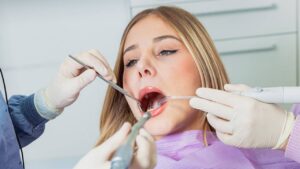
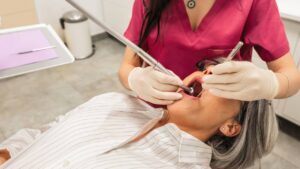
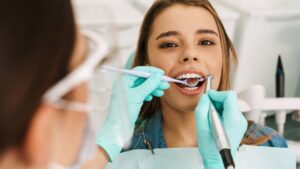
Your oral health is about more than a bright smile—it’s an essential part of your overall well-being. Including an oral cancer screening dentist in your preventive care routine can help detect abnormalities before they become serious. Nearly 54,000 Americans receive a diagnosis of oral or oropharyngeal cancer each year, and early detection can improve the five-year survival rate, currently around 57% [1]. When you schedule a professional dental cleaning myrtle beach, your dentist can also perform a quick, noninvasive screening that takes less than five minutes but may save your life.
Understanding oral cancer
Prevalence and survival rates
Each year, oral cancer affects thousands of people in the United States. While the overall five-year survival rate is 57%, outcomes vary significantly by stage at diagnosis. Early-stage cancers have much higher cure rates, making routine screenings a cornerstone of effective prevention.
Early warning signs
Recognizing the signs of oral cancer can prompt you to seek evaluation sooner. Common symptoms include:
- A sore or ulcer that does not heal within two weeks
- White or red patches on the gums, tongue, or inside of the cheeks
- A lump or thickening in the mouth or neck
- Persistent pain or numbness in the mouth or lips
- Difficulty chewing, swallowing, or moving your jaw or tongue
If you notice any of these changes, discuss them with your dentist at your next visit.
Role of your dentist
Integrating screening into exams
Your dentist is often the first health professional to spot potential problems. During a comprehensive dental exam, they will visually inspect and palpate key areas of your mouth, including:
- Lips, tongue, gums, and inner cheeks
- Floor of the mouth and roof of the mouth
- Neck and jaw for enlarged lymph nodes
Referral for further tests
If your dentist finds anything suspicious, they will refer you for additional evaluation. This may include:
- A biopsy to confirm whether abnormal cells are cancerous
- Imaging studies such as MRI or CT scans
- Consultation with an oral surgeon or oncologist
Results from a biopsy usually take three to five days. Your dentist will guide you through next steps based on the findings.
Explore screening methods
| Method | Description |
|---|---|
| Visual exam | Careful inspection of all oral tissues for irregularities |
| Palpation | Gentle feeling of the neck and jaw to detect lumps or enlarged lymph nodes |
| Oral screening dyes | Application of a safe dye that highlights abnormal tissue |
| Special lights | Use of fluorescence or UV light to reveal lesions not visible under normal lighting |
| Digital imaging tools | Advanced tools such as a digital x-ray dental exam for deeper views |
These methods work together to give your dentist a complete picture of your oral health.
Identify your risk factors
Tobacco and alcohol use
Using tobacco products and heavy alcohol consumption remain the leading risk factors. Combining both increases your risk substantially.
HPV and sun exposure
Human papillomavirus (HPV) infections are on the rise and may soon surpass tobacco as a primary cause of oral cancers [2]. Excessive sun exposure to your lips also contributes to lip cancers.
Age and medical history
Oral cancer is more common in adults over 60 but can occur at any age. A history of previous cancers, weakened immune system, or chronic oral infections also raises your risk.
Prepare for screening
Before your appointment
- Update your medical history, including alcohol, tobacco, and HPV vaccination status
- Note any symptoms or changes you’ve observed in your mouth
- List medications and supplements you take
During the checkup
Your dentist will:
- Conduct a visual exam under bright light
- Palpate tissues and lymph nodes
- Use dyes or special lights if indicated
- Discuss any findings or concerns immediately
This process is painless and typically adds only a few minutes to your routine exam.
After your screening
Biopsy and confirmatory tests
If a suspicious area is identified, your dentist or specialist will perform a biopsy. The tissue sample is sent to a lab, with results generally available within several days.
Discussing results with your dentist
When your results arrive, your dentist will:
- Explain whether the findings are benign, precancerous, or malignant
- Outline treatment options or further monitoring
- Coordinate care with specialists as needed
Clear communication ensures you understand each step of your care plan.
Integrate preventive care
Regular dental cleaning
Combining cancer screening with routine cleanings helps you maintain oral health and catch issues early. Consider booking a dental cleaning and exam package or a routine dental checkup surfside beach every six months.
Oral hygiene maintenance
Your daily care routine reduces risk by controlling bacteria and inflammation. Key elements include:
- Brushing twice daily with fluoride toothpaste
- Flossing or using interdental cleaners once daily
- Using an antimicrobial mouth rinse if recommended
- Scheduling regular checkups for preventive dental care myrtle beach and dental hygiene maintenance
For children or at-risk adults, ask about dental sealants for kids and fluoride treatment dentist options.
Plan your next steps
Find a local dentist
Choose a practice that offers screening and comprehensive services under one roof. Look for providers like those who are dentist accepting new patients sc and offer family general dentistry sc or gentle general dentistry.
Schedule your screening
Book an appointment for a new patient dental exams or add screening to your next diagnostic dental exam. Early booking ensures timely care.
Combine services
Take advantage of integrated preventive services to maximize your visit:
- Digital imaging with a digital x-ray dental exam
- Gum health checks via gum disease evaluation dentist
- Cosmetic or restorative options like tooth-colored fillings surfside beach
By coordinating screenings with other dental care, you save time and invest in long-term health.
With regular oral cancer screenings and comprehensive preventive care, you empower yourself to detect potential issues early and maintain a healthy, confident smile. Schedule your next visit today and take proactive steps toward lasting oral health.