Explore surgical options
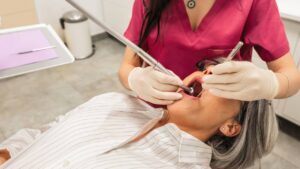
Wisdom tooth removal surfside often involves more than just pulling a tooth. Your surgeon will first determine whether your wisdom teeth are fully erupted or impacted beneath the gum and bone.
If your wisdom tooth has broken through the gum line and is easy to access, you may qualify for a simple extraction. Impacted teeth that sit at an angle or remain partially hidden under bone require a surgical approach. In those cases, you’ll be referred to a complex extractions dentist or an oral surgery dentist sc who specializes in these scenarios.
Surgical removal can include minor incisions, bone trimming, and careful extraction techniques designed to preserve surrounding structures. Cutting-edge 3D imaging and digital X-rays help your oral surgeon plot the most efficient path to each tooth, reducing overall procedure time and postoperative discomfort. When you choose a high-quality provider, you benefit from sterile surgical suites and experienced teams specializing in complex cases. Drilling and suturing may sound intimidating, but they are standard steps that ensure complete removal and proper healing. Surgeons trained in advanced methods make these procedures routine.
Every surgical option pairs with anesthesia or sedation tailored to your needs. Whether you prefer to stay awake under local anesthesia or rest more deeply with IV sedation, your comfort and safety guide the plan.
Sedation also reduces your gag reflex and helps you hold still, enabling precise work on lower impacted molars. Minimal gagging improves access, and if dental anxiety has held you back, sedation can transform a complex extraction into a comfortable experience.
Discuss sedation strategies with your provider ahead of time to select the approach that reduces anxiety and controls pain. Visiting a dedicated surgical dental services surfside office means access to options like nitrous oxide, oral sedation, and intravenous anesthesia.
Understand sedation methods
Effective sedation can make a complex extraction feel routine. By dialing down awareness and anxiety, you’ll remain comfortable whether you opt for a simple pull or surgical removal. Different sedation techniques fit different comfort levels, medical histories, and procedural needs.
Nitrous oxide sedation
Nitrous oxide, often called laughing gas, is inhaled through a mask placed over your nose. This mild sedative takes the edge off anxiety and helps you relax without losing consciousness. Effects wear off within minutes, letting you return to normal activities sooner.
Oral sedation pills
If you need a stronger calming effect but prefer to remain semi-awake, oral sedation might be the choice. You’ll take a prescribed pill about an hour before your extraction, which reduces anxiety and creates a light sedative state. Since the medication lingers in your system, you must arrange for someone to drive you home after the procedure. Discuss oral sedation with a sedation and sedation dentistry SC specialist to ensure proper dosing.
IV sedation benefits
IV sedation delivers medication directly into your bloodstream for rapid, profound relaxation. This method often induces a twilight sleep where you drift in and out of consciousness, feeling little to no discomfort. Your dental team continuously monitors vital signs, adjusting dosage as needed to keep you safe. Choose an IV sedation dental SC provider when you encounter strong dental fear or plan a more advanced surgical extraction.
Between methods, consult a sedation for anxious patients dentist to match your tolerance with the right approach. Your comfort during wisdom tooth removal surfside matters as much as the technical skill of your surgeon.
Prepare before your extraction
Getting ready for wisdom tooth removal often begins days before the appointment. A thorough preparation plan ensures the process goes smoothly and recovery stays on track. Clear communication with your dental team and following medical instructions can minimize surprises on surgery day.
Consultation and imaging
Your first step is a comprehensive consultation with an oral surgeon or specialized dentist. During this visit, you’ll discuss your medical history, existing health conditions, and any medications you take. Digital X-rays and 3D cone beam scans offer a detailed view of tooth roots, jawbone density, and nerve channels. These images allow your surgeon to anticipate challenges like impacted teeth or close proximity to nerves, which reduces the risk of complications during extraction.
Plan sedation method
In the same consultation, review sedation options that align with your comfort level and health profile. Whether you opt for nitrous oxide, oral sedation, or IV sedation, plan for any preparatory steps such as fasting requirements or pre-operative medication adjustments. Your surgeon will provide guidelines on eating, drinking, and stopping certain blood thinners or supplements in the days leading up to surgery. It’s essential to arrange a responsible adult to drive you to and from your appointment if you’ll be sedated beyond local anesthesia.
Follow pre-op guidelines
After planning sedation, your surgeon will give you a pre-operative packet detailing specific do’s and don’ts. You may be instructed to avoid aspirin or anti-inflammatory medications that increase bleeding and to halt smoking or vaping for at least 48 hours before surgery. Hydration and a balanced diet in the days leading up can improve your body’s ability to handle healing. Wear loose-fitting clothing and avoid necklaces or tight collars, which can interfere with intravenous lines or monitoring devices. Bringing a cover-up or light jacket can keep you comfortable in treatment rooms that tend to run cool. Pack any necessary paperwork, insurance cards, and a list of your current medications—having everything organized helps the team focus on your care.
Care on surgery day
Arrive punctually for your wisdom tooth removal surfside to allow ample time for pre-operative preparation. Your dental team will review your medical history, confirm your consent forms, and answer any last-minute questions before starting. You may change into a gown or cover-up while the team sets up sedation and monitoring equipment.
Once you’re comfortable, the sedation process begins. For nitrous oxide, you’ll inhale through a small mask until you feel relaxed. If oral sedation or IV sedation is planned, the dentist or anesthetist will administer medication and connect you to continuous monitoring devices. Vital signs like heart rate and oxygen levels are tracked throughout to ensure safety.
During the extraction, your surgeon will apply local anesthesia to numb the area before making any incisions or bone removal. You may feel pressure or vibrations, but you won’t experience sharp pain. In more complex cases, the team will section the tooth for easier removal and employ specialized elevators or forceps. Gently easing each fragment out protects surrounding bone and adjacent teeth.
After removal, absorbent gauze is placed over each socket to control bleeding and begin clot formation. You’ll bite down lightly to apply pressure for about 30 to 45 minutes. At this point, the surgical site is inspected, and any necessary sutures are placed to support healing and reduce risk of dry socket.
After the procedure, you’ll rest in a recovery area until your sedation wears off enough for safe transport. Expect mild grogginess or lag in reaction time if you received oral or IV sedation. A friend or family member should accompany you home, offering support and helping you settle onto a couch or bed. Plan to rest for the remainder of the day, avoiding driving, making important decisions, or operating heavy machinery. Listening to calming music or reading a light book can help pass the time while you wait for the anesthesia to fade.
Before you leave, your surgeon will provide a detailed list of post-operative instructions, including pain management, dietary guidelines, and oral care protocols. Don’t hesitate to ask for clarification on medication dosages or activity restrictions. A clear understanding of these steps sets the stage for a comfortable recovery.
Manage pain and swelling
Proper management of pain and swelling can transform your post-extraction experience from uncomfortable to manageable. By following a structured approach to medication and using cold therapy appropriately, you’ll reduce inflammation, support clot formation, and maintain a level of comfort. Starting these interventions promptly after surgery sets a positive course for healing.
Pain medication strategies
Your dentist will likely recommend over-the-counter nonsteroidal anti-inflammatory drugs (NSAIDs) such as ibuprofen to tackle both pain and swelling simultaneously. Take these medications as directed, usually every six to eight hours with food to protect your stomach lining. For cases with greater discomfort, a short course of prescription painkillers may be provided; use them sparingly and only as advised. Avoid adding aspirin to your regimen unless explicitly cleared by your surgeon, since aspirin can increase bleeding risk. Once your pain subsides—typically within three to five days—you can step down from scheduled doses to medication only when you feel discomfort.
Swelling control guidelines
Ice packs are your best friend in the first 24 hours after wisdom tooth removal surfside. Apply a cold compress to the cheek for 10 to 15 minutes at a time, resting for the same interval in between. Keep your head elevated, even while sleeping, to help drain swelling from the extraction site. After 48 hours, switch to warm, moist compresses to encourage blood flow and assist tissue repair. Mild bruising and puffiness are normal; if swelling worsens five days after surgery or becomes unbearably painful, contact your provider promptly.
A clear pain and swelling management plan reduces the temptation to rest completely idle, helping you recover on schedule and avoid setbacks.
Support your recovery diet
Immediately after your procedure, your jaw will need gentle, nutrient-dense foods that require minimal chewing. Sticking to a soft diet for the first 48 hours helps maintain energy levels and supports healing. Aim for meals that are protein rich and easy to swallow.
Consider options such as:
- Greek yogurt
- Smoothies (without seeds)
- Mashed potatoes
- Creamy soups
- Applesauce
- Scrambled eggs
- Pudding or yogurt-based parfaits
Surfside Dental advises avoiding hard, sticky, or small-piece foods like raw vegetables, nuts, seeds, whole grains, and popcorn to protect the healing sockets [1]. Maintain hydration with water, herbal tea, or light broths, but skip straws since suction can dislodge blood clots. You should also avoid hot liquids and alcohol, both of which can irritate tender tissues.
After two to three days, gradually introduce soft solids like pasta, pancakes, or tender fish, chewing on the opposite side of the mouth from your extraction. Pay attention to any sharp sensations; if an area still feels raw or sore, revert to softer options until discomfort subsides. By the end of the first week, most patients safely return to a normal diet, provided healing follows the expected trajectory.
If you take daily vitamins or supplements, ask whether you can open capsules and mix them into your soft meals so you don’t miss essential nutrients.
Improve oral hygiene safely
Keeping your mouth clean after wisdom tooth removal is critical, but aggressive cleaning can disrupt healing. Adapting your routine for the first week balances hygiene with clot preservation. Go slow and gentle to avoid irritating the surgical sites.
Brushing and flossing
Use a soft-bristle toothbrush and warm water to clean your teeth, avoiding direct contact with extraction sockets. Brushing any surrounding teeth helps remove plaque and food particles without disturbing the healing area. Gently slide floss between adjacent teeth, pulling toward the gums instead of snapping up and down. If small blood clots have formed, be cautious when approaching those regions. After three to four days, you can progressively return to a normal brushing routine as long as you proceed with care.
Warm saltwater rinses
Rinsing with a mild saltwater solution supports gum health and flushes out debris from extraction sites. Mix half a teaspoon of table salt with eight ounces of warm water, stirring until fully dissolved. Swish gently for 30 seconds, then tilt your head to each side to target different sockets. Conduct this rinse two or three times a day, especially after meals. Avoid forceful “gargling” motions, as vigorous rinsing can dislodge clots and lead to dry socket.
Even with a modified routine, it’s normal to experience some gum sensitivity. If you notice persistent bleeding, severe pain, or signs of infection, reach out to your dental provider immediately.
Prevent surgical complications
One of the keys to a smooth recovery is proactively preventing common complications. By following simple guidelines and staying vigilant, you can avoid setbacks like dry socket, infection, nerve irritation, and sinus issues. Below are the primary areas to monitor and steps to take.
Prevent dry socket
Dry socket occurs when the blood clot covering the extraction site dislodges prematurely, exposing sensitive bone and nerve endings. To reduce this risk, avoid using straws or sucking motions, which create negative pressure in your mouth. Refrain from spitting forcefully or vigorously rinsing in the first 48 hours. Smoking and vaping also interfere with clot stability, so abstain for at least a week. If you experience a deep, throbbing pain several days after surgery, contact your provider as soon as possible to have a medicated dressing placed.
Watch for infection
Infection can develop if bacteria enter the extraction wound, leading to fever, increased swelling, and pus discharge. Proper oral care and prescribed antibiotics help minimize this risk [2]. Look out for symptoms such as persistent or worsening pain, chills, or a foul taste or breath. Keep the area clean and attend all follow-up visits, so your dentist can intervene early if signs of infection appear. Prompt treatment with antibiotics often resolves the issue before it escalates.
Monitor nerve and sinus
Extracting upper wisdom teeth close to the maxillary sinus can sometimes trigger sinus pain or congestion, while lower extractions near the inferior alveolar nerve carry a small risk of numbness in the lip or tongue. If you notice tingling, altered sensation, or difficulty breathing through one nostril, reach out to your surgeon immediately. Most nerve disturbances are temporary, but early assessment can prevent prolonged discomfort. Likewise, gently blowing your nose without force can lessen sinus pressure and protect the healing site. These precautions help ensure your recovery remains on track [2].
Choose qualified practitioners
Selecting the right clinician for wisdom tooth removal surfside makes all the difference in safety and comfort. A skilled provider pairs technical expertise with a patient-centered approach.
Look for an oral surgeon or dentist who holds board certification or advanced credentials in surgical dentistry. Training in complex extractions and years of hands-on experience with impacted tooth removal reduce the risk of complications. Ask whether your practitioner maintains current licensure and participates in continuing education to stay up-to-date on evolving techniques and best practices. Affiliations with professional organizations signal a commitment to high standards.
If you have dental anxiety, confirm that your provider routinely offers sedation options under strict monitoring protocols. A sedation for anxious patients dentist or a clinic specializing in sedation and sedation dentistry SC can provide a range of anesthesia choices. Inquire about the presence of an anesthesiologist or trained sedationist during your procedure, as well as emergency equipment on-site.
Facility quality matters as much as individual skill. Clinics accredited by recognized healthcare bodies follow stringent sterility and safety protocols. Advanced imaging suites and surgical technology ensure precise treatment planning and execution. Adequate staff-to-patient ratios guarantee personalized attention throughout your extraction and recovery. Finally, review patient testimonials and aftercare processes—effective follow-up, clear post-operative instructions, and accessible support channels contribute to a worry-free experience. Your careful selection of a qualified practitioner paves the way for a confident, smooth recovery.
Combine extraction and implants
If you’re aiming for long-term tooth replacement, combining wisdom tooth removal with implant placement can streamline your journey to a restored smile. Immediate implant placement preserves bone and reduces total procedure time. When your extraction site is healthy and free from infection, your surgeon can place a dental implant in the same appointment as removing the tooth. This approach can save you months of healing time and protect surrounding bone from resorption.
Immediate implant placement
By placing the implant fixture directly into the fresh socket, you maintain natural bone contours and soft tissue architecture. The implant acts as a space-maintaining device, preventing adjacent teeth from shifting. It also reduces the total number of surgeries and appointments you need. Not every case qualifies—your surgeon will assess bone density and ensure no active infection before recommending this technique.
Full-mouth restoration options
For patients needing multiple extractions or full-arch rehabilitation, protocols like all-on-4 implant system SC and implant supported bridges offer fixed, permanent solutions. These systems rely on strategic placement of four to six implants in each arch to support a full set of prosthetic teeth. You’ll benefit from restored chewing function, natural-appearing gums, and a streamlined treatment timeline. Your final prosthesis is custom-designed to your smile goals and lifestyle needs.
Bone graft and sinus lift
In situations where bone volume is insufficient for implant stability, your surgeon may recommend a bone graft & sinus lift myrtle beach. Grafting material—whether harvested from your own body or sourced from synthetic substitutes—builds up jawbone height and density. A sinus lift creates additional vertical space in the upper jaw for secure implant anchorage. Most grafts integrate over several months, and once healed, they provide a robust foundation for implant fixtures and future restorations.
Choosing a single-site approach for extraction and implant placement can minimize your overall treatment duration and enhance aesthetic outcomes. Consult with an implant surgery clinic or an implant restoration SC specialist to see if you’re a candidate for this advanced option.